
4 Ways Space Management Software Improves Daily Operations
Space management software improves daily operations by simplifying hot desking, enabling data-driven decisions, reducing time spent managing space requests, and helping facility managers keep accurate track of resources to ensure a seamless workplace.
4 Ways Space Management Software Improves Daily Operations
By Nick Mason • 3mins read • October 26, 2017

Table of contents
- 1. Make hot desking easy
- 2. Make data-driven decisions
- 3. Spend less time managing requests
- 4. Never lose track of your resources
As a facility manager, you’re always looking for creative and intelligent ways to make your workplace run seamlessly. The most strategic move you can make for yourself and your facility is using space management software that eases the day-to-day burdens of properly running a space. Let’s take a look at a few ways the right kind of software can help you do so.
1. Make hot desking easy
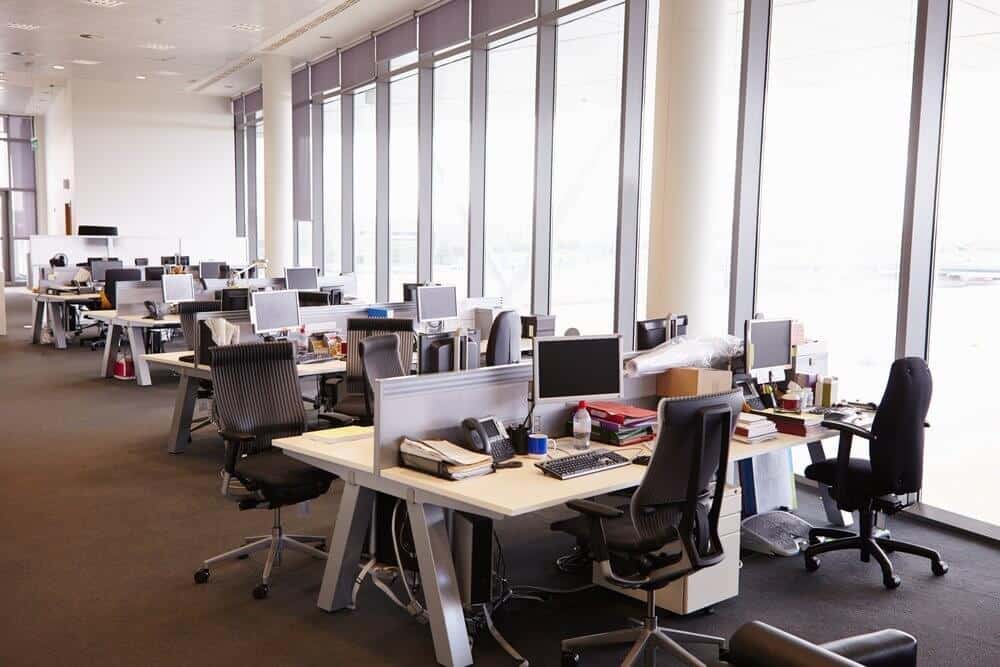
Assigning desks on a daily basis and according to availability can potentially save your organization significant resources. This is especially the case for offices located in cities with high real estate costs. As an alternative to every employee having their own workstation, a hot desking system allows every desk in the office to be more efficiently occupied on a use-by-need basis. The _Wall Street Journal(opens in new tab)_reported that GlaxoSmithKline saves $10 million annually by using an unassigned seating system. Such arrangements work best for offices where employees are not present everyday or during a specific set of hours, which is becoming more common given today’s technology. Maintaining a hot desking system can become chaotic very quickly though, and requires methodical diligence to be effective.
A move management(opens in new tab) program can streamline the process and make assigning desks easy for you.
Employees would be able to check themselves into their desired desks on the spot or in advance through a mobile or desktop interface. This will save you the trouble of doing it for them while giving you the proper oversight. Automatic email and chat notifications are also a plus, keeping hot deskers informed.
2. Make data-driven decisions
The best facilities management decisions are made using carefully gathered and accurate data that’s effectively communicated through structured reporting. The right space management software uses analytics(opens in new tab) to create intuitive, meaningful, real-time reports out of your data. Whether you’re assessing your budget, pitching a new idea to the C-Suite or showing your department’s process, detailed reports help you prove your point and achieve your objective. For example, space utilization reports provide valuable insight into how your facility is being used, while operational reports streamline facility management processes. Custom reporting capabilities and an easily integrated API can also make everyday application even easier.
3. Spend less time managing requests

Managing work requests shouldn’t require more work than the conundrums they resolve. Oftentimes employees do not follow—or even know—the protocol on how to present them. You end up juggling phone calls, emails and text messages, creating a chaotic system for both you and employees. A robust software system like a request manager(opens in new tab) can take the organizational work off your hands by presenting orders in an accessible and orderly way. Employees can use a simple online request form that is easy to adopt, or even send a request from their phones. From there, real-time collaborative tools assist you in accommodating workflows and forecasting request loads.
4. Never lose track of your resources
A facility is made up of many moving parts, and keeping documented tabs on your resources is essential to guarding your office from loss and theft. The Association of Certified Fraud Examiners(opens in new tab) reports that office theft and fraud is on the rise, and that the typical organization loses 5% of its profits every year because of them. As a facility manager, you have the power to protect your company from the dangers of tangible theft by keeping strict records of your physical assets.
A visual directory(opens in new tab) of your entire office makes it easy to locate and track resources from meeting rooms to printers, enabling you to account for every item you’re responsible for—all from your devices.
Additionally, it may even save you the trouble of accidentally spending time and money replacing something that was always there.
Overall, a space management software system isn’t just about saving your money. It’s about preventing the headaches that can pile up day by day for a facility manager. The first step is seeing for yourself how these programs can alter your own processes.
Want to know more about the software OfficeSpace has to offer for managing your workplace? You can find out more and request a free demo by clicking here(opens in new tab).
Photo Credits: Shutterstock / Monkey Business Images, Shutterstock / Monkey Business Images, Shutterstock / Jacob Lund

Author
Based in Victoria, BC, Nick is the Director of Product & Client Marketing at OfficeSpace. He's passionate about connecting people with solutions that enable workplaces to thrive in the new world of work.
Get exclusive insights on workplace trends
utm_content
utm_source
utm_term
utm_medium
Lead ID
- By clicking here, you agree OfficeSpace Software may contact you regarding relevant products & services. You can unsubscribe at any time. Click here for our Privacy Policy.
Get more out of your space, and connect the people in it
Continue reading

Space & Real Estate
Restacking the workplace for a workforce transformation
By Sean Wiese• 8mins read

Workplace Technology
Smart workplace solutions: 7 elements of an intelligent workspace
By Allison Colburn• 14mins read

Workplace Technology
5 practical ways to use AI at work
By Andres Avalos• 7mins read
Qualified