
Agile Workspace vs. Activity-Based Workspace: Key Differences and Examples
The article by Brina Martens explains the key differences between agile workspaces—flexible environments where employees choose work settings based on tasks—and activity-based workspaces, highlighting examples of each and emphasizing how both promote productivity and adaptability in modern offices.
Agile work examples: the difference between a agile and activity-based work
By Brina Martens • 5mins read • March 24, 2021
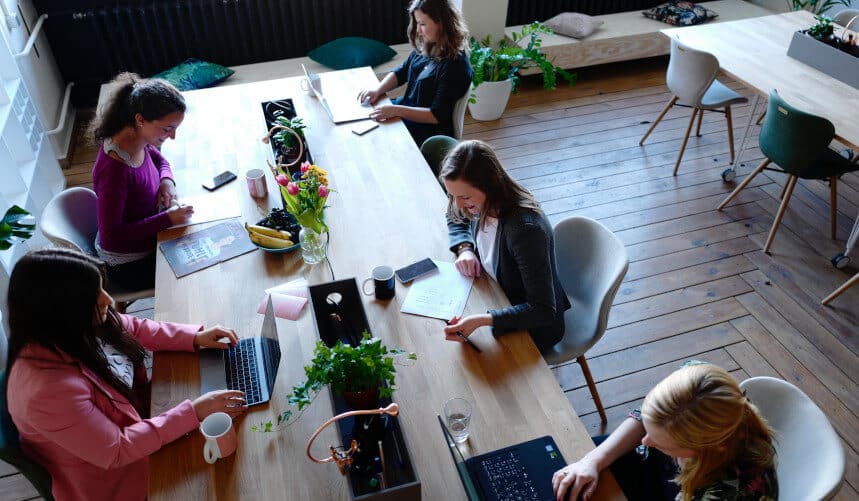
Table of contents
- What is an agile workspace?
- What are the differences between agile and activity-based workspaces?
- Four examples of agile and activity-based workspaces in action
- Flexibility is an essential part of the modern workspace
And as technology evolves, the modern workplace continues to be a place that champions productivity and flexibility. While agile workspaces and activity-based workspaces sound similar, there are several distinct differences between the two. We’re looking at agile work examples.
In this article, we explore the core distinctions between agile workspaces and activity-based workspaces, as well as a few examples of these work styles in action.
What is an agile workspace?
An agile workspace(opens in new tab) is defined as “a business that has implemented specific strategic decisions that enable flexible working, in and out of the physical workspace,” according to the Advanced Workplace.
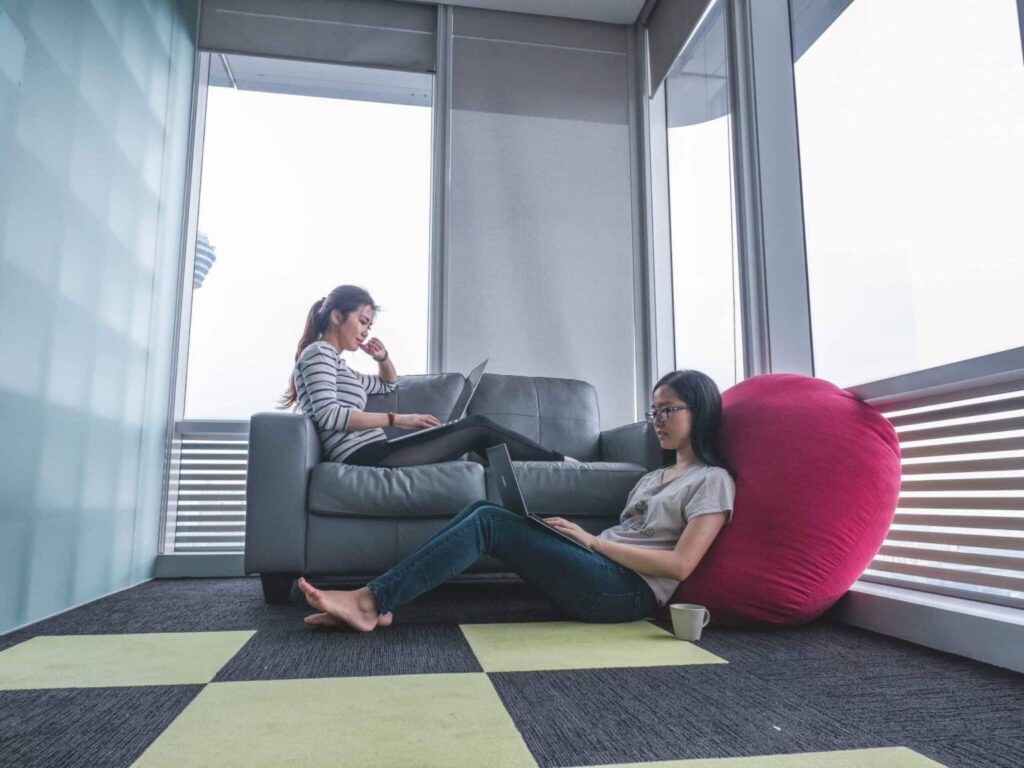
In other words, agile workspaces enable employees the freedom to work in whatever way is conducive to their maximum productivity based on their individual needs and work style.
In fact, a study from Zenefits(opens in new tab) found that 73% of employees said flexible work arrangements increased their satisfaction at work. What’s more, 78% of employees say flexible work arrangements make them more productive.
Maintaining flexibility and agility no matter if employees are back in the office or working from home for the foreseeable is critical to employee happiness and wellbeing.
What is an activity-based workspace?
An activity-based workplace (ABW)(opens in new tab) is a space within an organization that embodies the work it’s designed for. These types of workspaces encourage employees to move throughout the office all day, which can positively impact productivity, engagement, and overall job satisfaction.
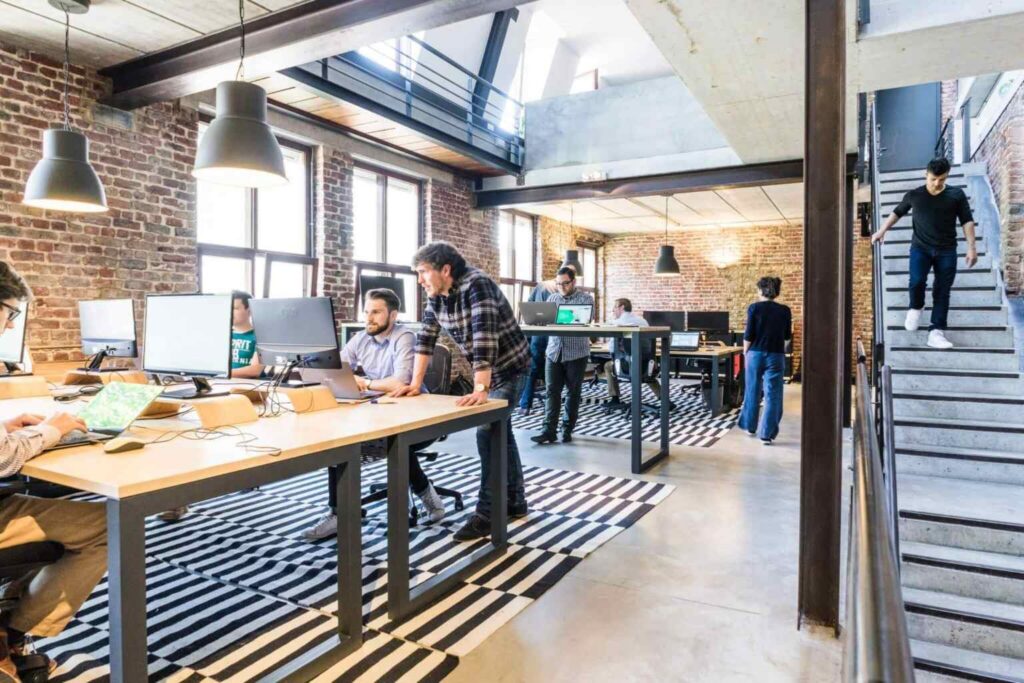
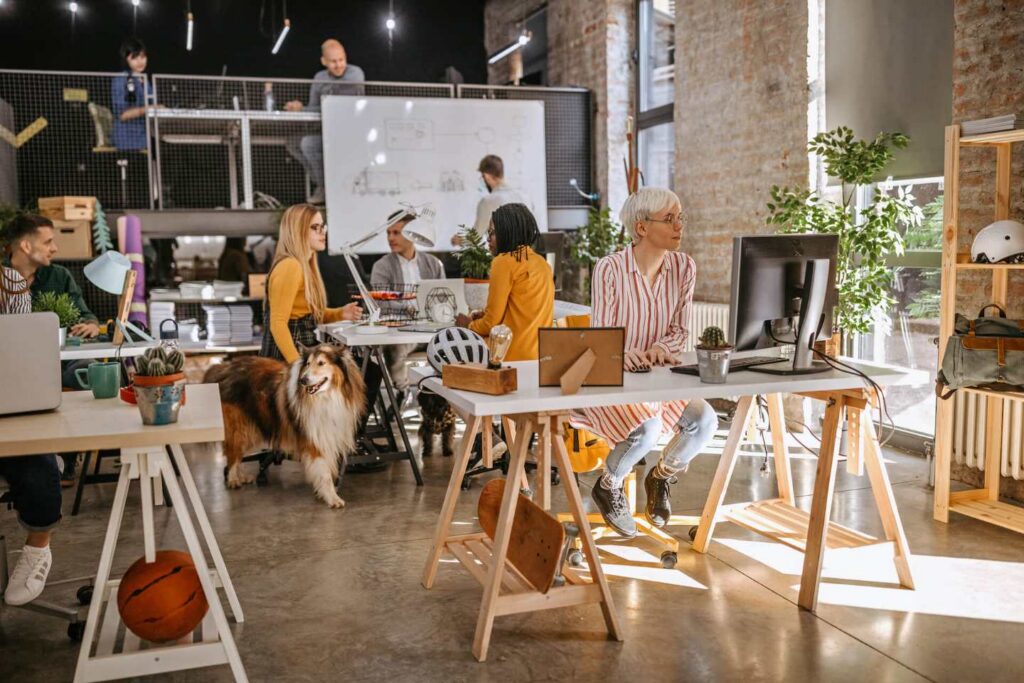
Activity-based working includes areas of the office made for specific tasks. For example, your office might have soundproof booths for calls or deep independent work. Or, it may have open, shared spaces for more collaborative work and employee relationship building.
It turns out, activity-based workspaces aren’t just great for employee productivity and happiness. They’re also a great way to cut costs.
A study from the British Council for Offices (BCO)(opens in new tab) found a significant cut in operational expenses—€10M per year—when shifting to activity-based workspaces.
Creating dedicated spaces for varying work-related activities optimizes your space to the fullest. With activity-based workspaces, every square foot is used with purpose.
What are the differences between agile and activity-based workspaces?
While these two terms are similar and within the same vein, they serve two different purposes.
Agile workspaces refer to flexibility both in and out of the physical office, whereas activity-based workspace refers to the literal spaces used for different tasks.
For example, a company that allows their employees to choose whether they work from home or in the office (agile workspace) and a cluster of desks meant for quiet, focused work. The two go hand-in-hand and represent the evolving modern workplace.
However, while they are different, they both yield several benefits to the workplace as a whole, including:
- Increasing employee wellbeing and productivity
- Reducing costs on building expenses like real estate, desk space, and other overhead costs
- Optimizing your space for ultimate performance
So, how can facility managers incorporate both into the workplace?
Think about what your employees need most to do their best work. Is it more face-to-face collaboration? If so, consider making physically-distanced shared spaces more prominent throughout the office. Are they craving spaces where they can tune out the world and get things done? Make quiet spaces a priority.
Keep in mind, figuring out the best use of your space may come with some trial and error. A space management tool(opens in new tab) can help you view variations of your space so you can choose the best option possible.
Four examples of agile and activity-based workspaces in action
Here’s a look at four companies who have implemented agile workspaces or activity-based workspaces for inspiration.
Agile workspace examples
Dell
Dell considers flexible work to be part of its company culture. Even before the pandemic, Dell adopted a generous remote work policy, which enabled its employees to work where they felt most productive.
Mohammed Chahdi, the Director, Head of Americas HR operations, told Remote.Co in an interview(opens in new tab), “Work flexibility allows team members options for how, where, and when to do their work. These options create a collaborative work environment between the needs of the company and the team member. A flexible workforce is just as productive (if not more so) as the traditional office model—reducing the global carbon footprint, and helping individuals balance their work life and their personal life. Bottom line: it’s an advantage and a benefit that helps Dell be successful.”
As time has allowed remote companies to adapt and figure out how to work outside of the office, many companies are looking to extend their remote work policy — and even adopt a hybrid model(opens in new tab) — after the pandemic ends.
Facebook is just one of the major tech companies adopting this policy. Not only will Facebook allow employees to work from home until July 2021, but they’ll provide employees with an extra $1,000 bonus for home office equipment.
Activity-based workspace examples
Interpolis
The Interpolis office(opens in new tab) is something of an activity-based marvel. Complete with a cafe and restaurant, bike stands, energy-efficient lighting, accessibility features, and more, the Interpolis office center is the pinnacle of agile working.
This office is designed with features and functions for varying activities, like independent work, collaboration, and connection.
Anz Bank
ANZ Bank, headquartered in Melbourne, Australia, implemented what they called their “Playbox” project, which gave each department different technology and furniture to fit its needs.
Unlike most activity-based workspaces, ANZ’s Playbox project doesn’t require employees to move about or change locations. Rather, the workspace itself changes to fit the task.
After implementing Playbox, ANZ saw nearly a $50 M increase in revenue. Because employees were able to make decisions faster as a result of a more conducive environment for productivity, more was accomplished in less time.

Flexibility is an essential part of the modern workspace
Agile and activity-based working are similar work styles, yet they have their own unique purposes that play significant roles in the modern workplace. Agile working speaks to flexibility inside and outside of the office, whereas activity-based working mainly refers to the in-office experience.
Both work styles can foster a collaborative, productive, and positive work environment for your employees. The above activity-based work and agile work examples should set you on the right path to implement the best style for your office.
Want help modernizing your office? Contact our team(opens in new tab), and we’ll walk you through how OfficeSpace Software can help.
Photos: CoWomen, Proxyclick Visitor Management System, Mimi Thian, Tim Gouw

Author
Get exclusive insights on workplace trends
utm_content
utm_source
utm_term
utm_medium
Lead ID
- By clicking here, you agree OfficeSpace Software may contact you regarding relevant products & services. You can unsubscribe at any time. Click here for our Privacy Policy(opens in new tab).
Get more out of your space, and connect the people in it
Continue reading

Space & Real Estate
Restacking the workplace for a workforce transformation
By Sean Wiese• 8mins read
Office Design
Principles of universal design in the workplace
By Maya Ketter• 14mins read
Space & Real Estate
How much office space per person do you need for your workplace?
By CJ Frey• 12mins read
Qualified
Ellie, AI Agent
EllieAI Agent
Speak now
Conversation
Message input
Book a Meeting
Message Ellie
By continuing, you agree this conversation may be recorded and used per our Privacy Policy
Ask Ellie