
Facilities Ticketing System: Why IT Ticketing Systems Aren’t the Right Tool
The article explains that while IT ticketing systems convert user requests into assigned tickets resolved by agents, they are ill-suited for facilities management because FM requests involve managing physical space changes and require specialized tools tailored to the unique complexities of facility operations rather than IT-focused workflows.
Facilities ticketing system: Why IT ticketing systems aren’t the right tool
By David Spence • 4mins read • August 23, 2016

Table of contents
An IT ticketing system takes request information from a user, and turns it into a ticket that’s assigned to an agent, who resolves the ticket when the request is complete. At a glance, an IT ticketing system seems like a great tool for facility managers to use in their own request systems. But while some IT request management practices(opens in new tab) can help facility managers refine their own processes, facility requests differ greatly from IT requests. Facilities management needs its own tool: a facilities ticketing system.
What is ticketing? Ticketing is when an IT ticketing system takes request information from a user, and turns it into a ticket that’s assigned to an agent, who resolves the ticket when the request is complete.
Facilities ticketing system vs IT:
Understanding the following key differences between the two will help clarify why an IT system may not be the best option for handling FM requests.
Physical space
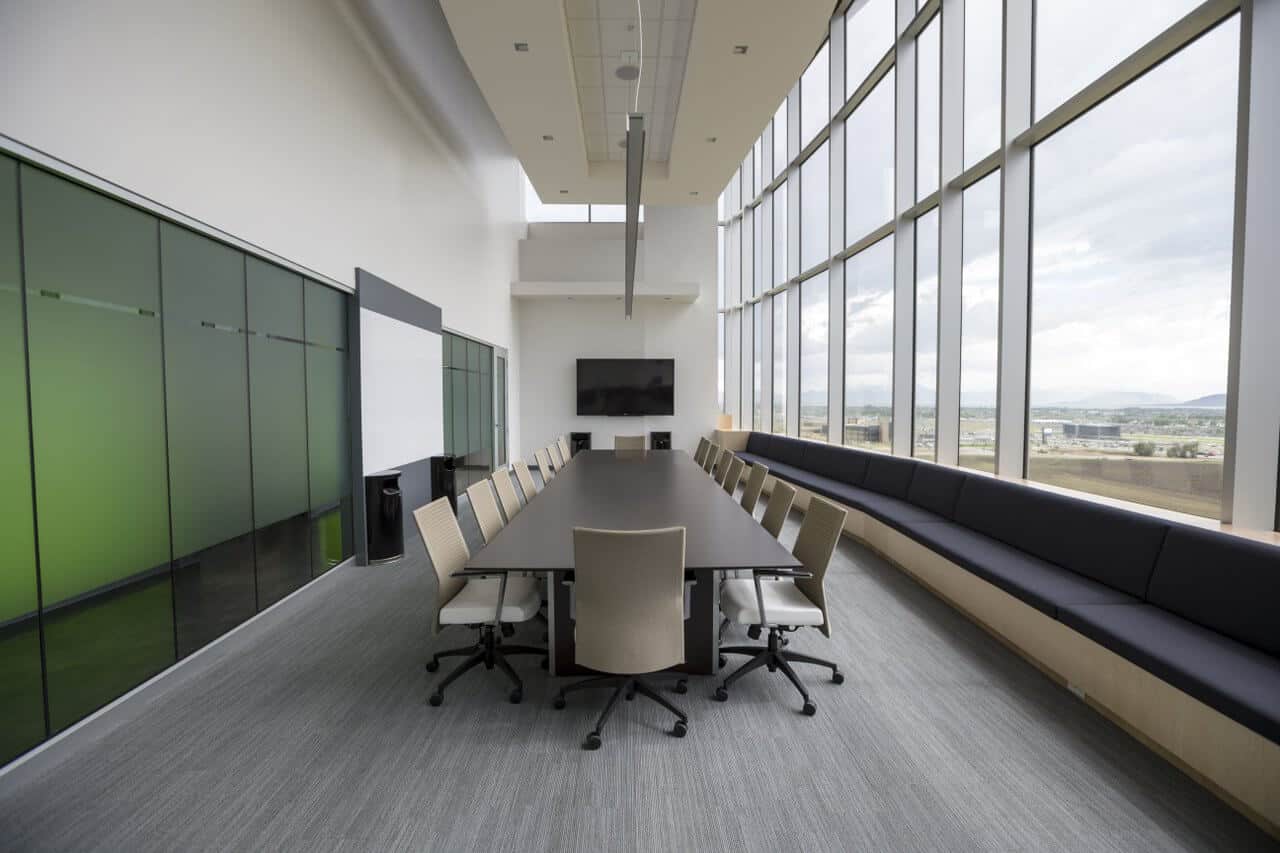
Facilities management predominantly deals with physical changes in space(opens in new tab)—restructured office layouts fordifferent work needs(opens in new tab), equipment that may need to be moved to different areas, as well as adjustments in lighting and HVAC systems.
Handling facility requests involves tracking inventory, locating request agents and considering a request’s impact on your facility’s space(opens in new tab).
But IT systems don’t account for these nuances; they occasionally monitor physical assets, but only with regards to computer hardware. Facility managers will need a sophisticated tool that considers overall spatial requirements(opens in new tab)and a diverse set of assets.
Visual tools

Understanding a facility request will often require visual information like floor plans or HVAC(opens in new tab)blueprints. IT systems use graphs and charts for reports and workflow management, but they don’t account for the type of visual data needed to fulfill facility-specific requests. FM tools for request management should provide configurable features thatvisualize your facility’s space(opens in new tab), allowing you to work with more clarity.
External contractors
A portion of facility requests might require the involvement of external contractors. This could be the case for major moves, upgrades to facility infrastructure or specific equipment purchases.
IT systems are designed with internal agents in mind, who are usually directly in control of fulfilling requests and finding solutions. Facility managers often have to fulfill these requests by separate communication to external firms and groups(opens in new tab).
Too many unnecessary features

IT can require several different software programs to fulfill a request, such as diagnostic tools, remote desktops and integrations with online apps or features that allow dev teams to work more efficiently with IT teams. It also might involve intensive work like setting up firewalls or servers, and these tasks will be matched by integrations that are relevant to IT departments but unnecessary for facility managers. What you’re left with is a ticketing system that comes with features that are of no value, creating bloat in your software.
Differences in priorities

WhileIT managers and facility managers both rely heavily on technology(opens in new tab) to solve their problems, they each have different priorities. IT managers deal with requests surrounding network infrastructure as well as software and computer hardware assets. As a result, IT systems are designed to accommodate these needs.
For facility managers, their priorities concern the entirety of the building such as fire safety and security systems. These types of requests(opens in new tab) require constant attention because a single request impacts the entire workplace.
Though IT ticketing systems will provide you with the basic function of gathering requests from users, they won’t be optimized for the specific problems and requests that facility managers handle on a daily basis.
When considering a request management system, facility managers should take note that IT ticketing systems are optimized for one specific industry, which means facility needs like physical space and external contractor relationships will be overlooked. FMs should turn to a specialized request management system(opens in new tab)that carries a lean but relevant set of features built specifically for office concerns.
Photos: Pacific Austin(opens in new tab), Benjamin Child(opens in new tab), energepic energepic(opens in new tab), Pexels(opens in new tab), Pexels(opens in new tab), NITI JUNKAVEEKOOL / Shutterstock.com(opens in new tab)

Author
Get exclusive insights on workplace trends
utm_content
utm_source
utm_term
utm_medium
Lead ID
- By clicking here, you agree OfficeSpace Software may contact you regarding relevant products & services. You can unsubscribe at any time. Click here for our Privacy Policy.
Get more out of your space, and connect the people in it
Continue reading

Workplace Technology
5 practical ways to use AI at work
By Andres Avalos• 7mins read
The FM Professional
Facility management examples across 6 types of facilities
By Sean Wiese• 9mins read

Workplace Technology
What is office wayfinding? A guide for hybrid workplaces
By CJ Frey• 11mins read
Qualified