
Now What? How To Further Streamline After An Office Move
The article advises that after an office move, organizations should streamline operations by strategically mapping out and allocating office space and resources using move management software to optimize furniture and workspace arrangements, enhance wayfinding, and improve team communication for maximum productivity.
Now What? How to Further Streamline After an Office Move
By Nick Mason • 3mins read • May 25, 2017

Table of contents
After moving into a new office, there are a lot of processes to put into place to streamline operations. You will want to make sure you are optimizing your space, properly allocating resources, perfecting your space’s wayfinding principles and strengthening your team communication. Here are some ways to further streamline your office space after a big move.
Map out the space and allocate resources

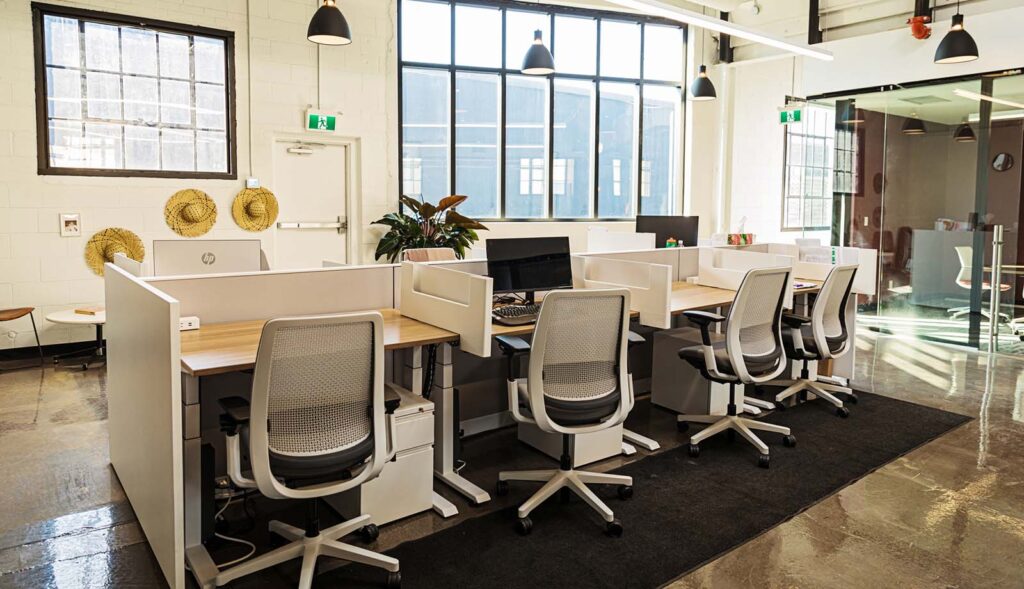
After an office move, you will need to properly arrange furniture, desks and resources within the new space. Move management software(opens in new tab) can help you, as a facility manager, make sure that each team has the necessary supplies and workspace they need. Thanks to drag-and-drop features, you can fine-tune any remaining details without having to actually rearrange the office space. This will help streamline the entire process by allowing you to test out different configurations and make sure your final design leads to optimal productivity.(opens in new tab)
You should also keep careful track of all company resources(opens in new tab) throughout this process.
During an office move, it is possible for company resources to be misplaced or lost. Help eliminate potential losses(opens in new tab) by using a good resource tracking system, so that you can keep tabs on everything from tables to company-owned art.
Perfect office wayfinding

After moving into a new office, it is important to remember that in addition to a proper workspace, office wayfinding plays a key role(opens in new tab) in your employees’ productivity. Wayfinding refers to the set of rules and processes that help employees and visitors move through your office space. While your Visual Directory(opens in new tab)will help your employees locate each other as needed, you should also ensure that your office space is not difficult for clients and other visitors to navigate.
As the facility manager, it is your job to make sure no one is wasting time getting from Point A to Point B(opens in new tab).
In order to measure successful wayfinding(opens in new tab), you should gather data about your current design and pathways, and look for patterns of usage. For example, if certain hallways are constantly overcrowded, is this because employees need more communal space to chat or brainstorm? Can an underused conference room be re-purposed to this end? Examining your space’s wayfinding can help you to isolate other pain points that may be holding your employees back from doing their job to the fullest potential.
Strengthen team communication

An office move mixes things up in the workspace—making it the perfect time to strengthen and reiterate your office’s internal communication protocols(opens in new tab). In particular, as facility manager, you’ll find that right before and after an office move you may receive an influx of requests from different individuals and departments outlining the specific resources they’d like to secure in the new space. Implementing a strong internal communications plan can help to troubleshoot any problems that may arise in the first weeks of your new office, and will help you, as a facility manager, to better process the requests you receive.
You should take this time to consider where requests are being placed and processed. Are you relying on multiple channels, like email, phone calls or a complicated IT system(opens in new tab) to process your colleagues demands? If your office doesn’t already have one, now is the perfect time to implement a request management tool(opens in new tab). Designed specifically for facilities management, this will allow you to better track each stage of employees’ requests so that nothing falls through the cracks after a move.
Moving offices may be tedious, but with the right tools it provides a great opportunity to streamline operations for your workplace overall. With the proper management systems, you can establish the best layout for your company while tracking company resources and determining cost savings. So long as you’ve taken the necessary steps to manage your space, team and resources, you can make informed decisions after an office move that will benefit your company for years to come.
Photos: Shutterstock / rawpixel(opens in new tab), Shutterstock / LI CHAOSHU(opens in new tab), Shutterstock / luchunyu(opens in new tab), Shutterstock / Mooshny(opens in new tab)

Author
Based in Victoria, BC, Nick is the Director of Product & Client Marketing at OfficeSpace. He's passionate about connecting people with solutions that enable workplaces to thrive in the new world of work.
Get exclusive insights on workplace trends
utm_content
utm_source
utm_term
utm_medium
Lead ID
- By clicking here, you agree OfficeSpace Software may contact you regarding relevant products & services. You can unsubscribe at any time. Click here for our Privacy Policy.
Get more out of your space, and connect the people in it
Continue reading

Space & Real Estate
How much office space per person do you need for your workplace?
By CJ Frey• 12mins read
Hot Desking & Desk Booking
What is a hot desk? Everything facilities managers need to know in 2026
By Nick Mason• 11mins read

Space & Real Estate
Hoteling office space: how reverse hoteling works in a hybrid office
By Nick Mason• 15mins read
Qualified
Ellie, AI Agent
Ellie AI Agent
Speak now
Hi! I’m Ellie with OfficeSpace. Moving offices can be complex, how are you currently managing space and employee coordination post-move?
Conversation
Hi! I’m Ellie with OfficeSpace. Moving offices can be complex, how are you currently managing space and employee coordination post-move?
Message input
Book a Meeting
Message Ellie
By continuing, you agree this conversation may be recorded and used per our Privacy Policy
Ask Ellie