
Workplace 2030: What Offices Will Look Like In The Future
The article "Workplace 2030: What Offices Will Look Like in The Future" by David Spence explores how office environments will evolve over the next 15 years, emphasizing a shift toward flexible workspaces that enhance employee freedom and happiness, with a strong focus on worker health and well-being as central to future office design.
Workplace 2030: What Offices Will Look Like in The Future
By David Spence • 4mins read • February 25, 2016

Table of contents
Ever watch an episode of “The Jetsons”? In the ‘60s, people thought the future would be filled with flying cars and robot maids. Even by 2015, movies like “Back to the Future” imagined we’d have hoverboards and self-lacing sneakers. Although it’s near impossible to predict what the future is going to look like, it can be a lot of fun to speculate where current trends are going to take us. The only thing we can say for sure is that the workplace of the future will look very different than it does now.
Although we aren’t going to look 100 years into the future like the Jetsons did, we are curious about what office spaces will look like about 15 years from now. Some similar office elements will likely remain, but the biggest trend we’ll see is the continued shift towards flexible workspacesthat give employees more freedom and prioritize worker happiness. What else will the year 2030 bring?
The future is all about worker health

With thelatest research showcasing the dangers of sitting(opens in new tab) and remaining sedentary, we expect our offices of the future to place an even bigger emphasis on employee health. This could show up in a variety of ways.
For instance, standing desks(opens in new tab) could be the new norm, along with specialized footrests that enable you to shift your weight while standing. This trend can definitely cater to flexible and changing workforces, where a desk per person may not be required. Low-key treadmill desks could be used by those who demand a little more movement too. You can also expect breaks between work to be longer and even mandatory to help avoid worker burnout — perfect for millennials (and everyone, really!).
With the continued prevalence of smart technology, we might even see real-time health monitoring to further optimize our health(opens in new tab) both inside and outside of the office. Apple watches and other smart devices are just the start.
Offices will no longer be mandatory
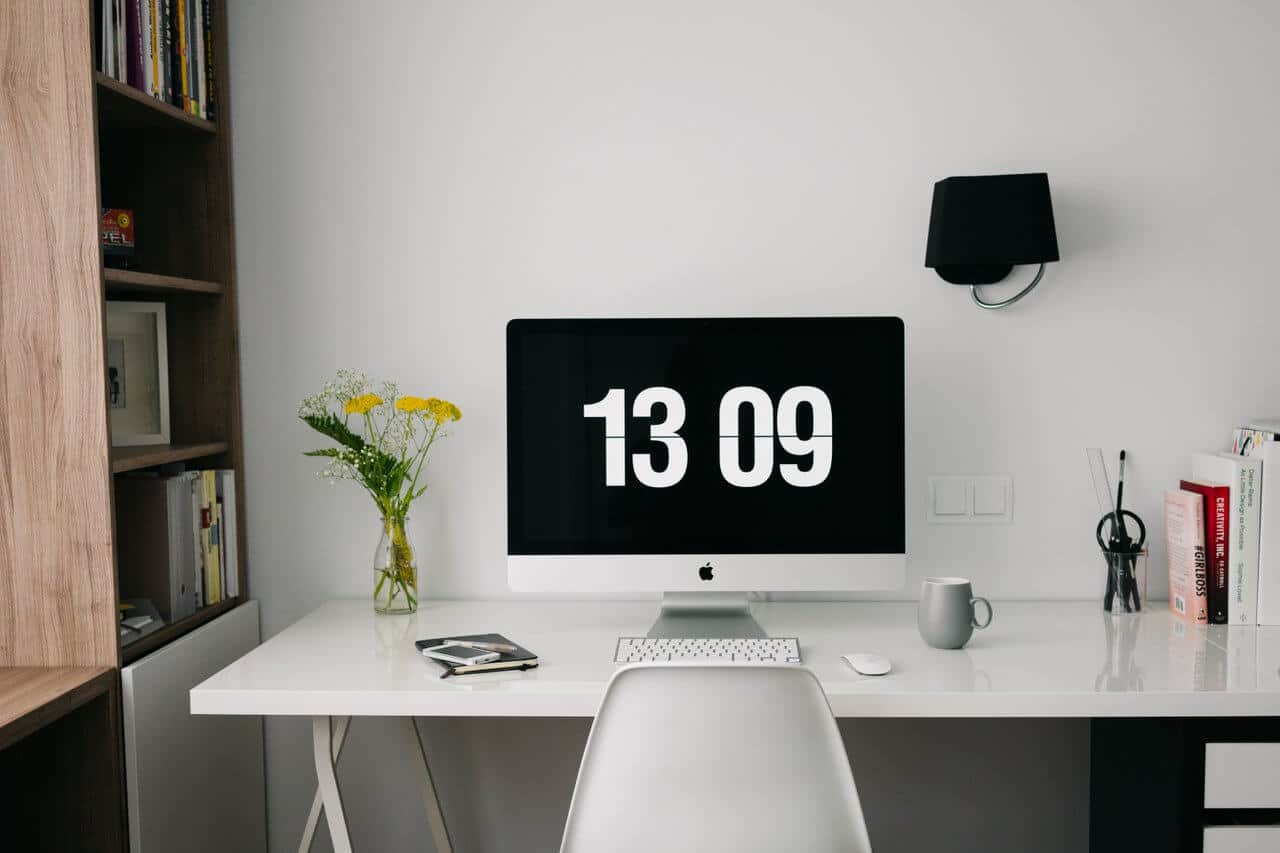
Remote working is only going to continue to grow. Already, some companies have adopted an entirely remote structure to keep overhead low, while others have used this structure to provide employees with more freedom.
This kind of environment has allowed employees to cultivate their own work environments and schedules to best suit their needs. This is especially important for flex workers who are in the office irregularly, thus making space management even more imperative to get right.
Easy WiFi access, smartphones, conferencing and instant communication software foster and enable an office setting without colleagues having to be in the same room or even on the same continent. Further developments with high-speed internet networks like Google Fiber(opens in new tab) will allow for real-time meetings without the common tech snafus that plague conference calls.
While you’re at it, say goodbye to relocation fees! You’ll be able to scout and hire top talent no matter where your physical headquarters are located.
Coworking spaces will be the norm

To further our previous prediction, coworking and collaborative office spaces will continue to grow and become increasingly valuable. Freelancers, remote or flex workers and startup founders need a way to get their work done while still getting their fill of human interaction and inspiration.
An office space is much more than chairs, desks and an internet connection. It’s all about the community that’s cultivated. Even if most of your workforce is remote, expect the millennial generation(opens in new tab)to crave community and a group of like-minded people that challenge and support them to do their best.
Coworking spaces were once only a feature in large, expensive cities, but they’re now sprouting up in small towns and villages too. As this style of working becomes the new norm, this will make your internal company culture that much more important. Make sure you spend time now and in the near future creating a culture through your internal processes, forms of communication, expectations and values.
Expect a renewed focus on sustainability
Offices are already being encouraged to “go green” and analyze the sustainability of their workplaces. By 2030, a reduced environmental footprint might even be mandatory for offices of all shapes and sizes. This means going paperless, dishing out reusable dishes, buying energy efficient equipment and more.
Office management technology(opens in new tab) will allow business owners and facilities managers to further monitor energy use in their buildings too. By pinpointing how your business can adjust heating, equipment use and lighting, software can help you become a more responsible and cost-effective enterprise.
Offices will encourage greater interaction
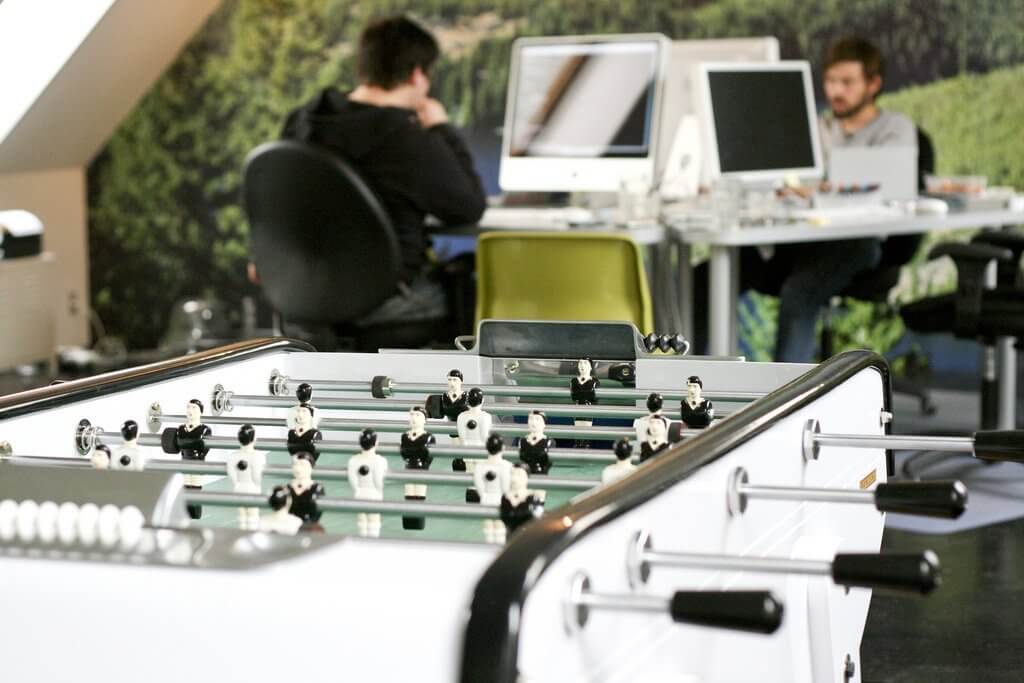
Many big ideas and breakthroughs occur through strange situations and coincidences, like a walk to the cafe or a random encounter with a stranger at a bookstore. In the same way, relaxed atmospheres where casual conversations can take place allow for a lot of cross-pollination(opens in new tab).
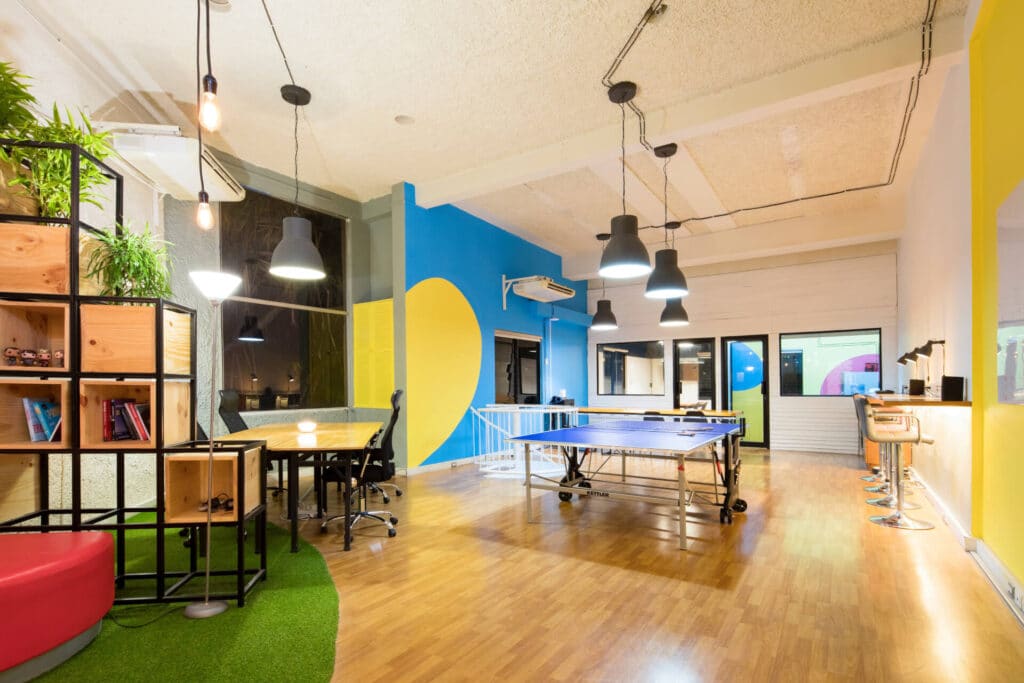
Expect to see your workplace and office design to continue to transform to allow employees to interact as part of their daily workflow. The rigid cubicle mentality is slowly fading away as the millennial workforce continues to grow. This means we’ll see more office furnishings that provoke and promote conversation(opens in new tab). Think things like play rooms and easily re-arrangeable furniture, which are especially advantageous with more flexible workers on our rosters.
Predictions are just that: predictions. But they can also be used to guide your current office setup. After all, it’s never too late to start preparing for the future.
Photos: Greg Rakozy(opens in new tab), Jeffrey Betts(opens in new tab), Ariana Escobar(opens in new tab), Monkey Business Images / Shutterstock, Scott Webb(opens in new tab), Asbjørn Sørensen Poulsen(opens in new tab)

Author
Get exclusive insights on workplace trends
utm_content
utm_source
utm_term
utm_medium
Lead ID
- By clicking here, you agree OfficeSpace Software may contact you regarding relevant products & services. You can unsubscribe at any time. Click here for our Privacy Policy.
Get more out of your space, and connect the people in it
Continue reading
Office Design
Principles of universal design in the workplace
By Maya Ketter• 14mins read
The FM Professional
Activity-based workspace design examples and best practices
By Nick Mason• 9mins read
Office Design
The complete office floor plan design guide for hybrid offices in 2026
By Ali Stewart• 12mins read
Qualified